
Case Studies

Case studies
Explore case studies
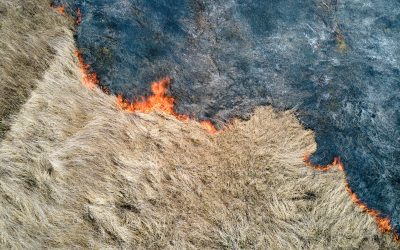

Co-production of seamless climate information is at the core of the ASPECT project. The project worked closely with five Super Users from five key societal sectors to understand their evolving needs and assess the risks they face related to the changing climate.
This page provides an overview of the case studies elaborated in the project, and the information co-produced together with and for the Super Users. For more detailed information, you can visit our Case Studies Booklet.
FILTERS
Case Study 1 - Wine Sector
Background: Climate is an important factor in wine production, as variations can strongly affect the year-to-year production and quality of wine and grapes. Reliable and timely information on climatic fluctuations can enable wineries to optimise their planning and management of activities over a range of timescales, as well as prepare appropriate adaptation strategies.
The Super User: In ASPECT, we worked with Codorníu-Raventós, the oldest wine company in Catalonia, Spain, to address two main concerns that were identified: spring frost protection and water management. This case study focused on providing key indicators and climate information across multiple timescales that can support key vineyard management decisions related to these concerns.
Bulletin that combines maps, tailored indicators, and a user guide (see examples from February 2026 and July 2026)
Interactive web-app (“Shiny app”) with maps and graphs of forecasts and skill for the user’s region and sites (not openly available)

Case Study 2 - Finance Sector (Pensions)
Background: Pension funds are particularly vulnerable to climate-related risks due to their long investment horizons, diversified portfolios and geographically diverse nature. The physical risks associated with climate change can affect the value and performance of such investments. Climate information can support pension funds in better assessing and managing climate risks, and ensuring the resilience of their portfolios.
The Super User: ASPECT consulted with experts from the pensions and finance sector to obtain an insight into the sector and its needs. A lack of transparent, robust and decision-useful tools for climate risk assessment was identified in the finance sector. ASPECT worked to develop a framework for assessing physical climate risk that could benefit the wider financial sector. In addition, it raised awareness amongst decision makers through educational content on physical climate risks and the use of seamless climate information.

Case Study 3 - Governance Sector
Background: As extreme events are becoming more prevalent, they can affect a range of regional planning and decision-making areas, such as water management, infrastructure, public health and land-use planning. Thus, climate adaptation is becoming a key priority for public administrations and regional governments across Europe. Climate information can help public authorities better understand climate risks, assess vulnerabilities and design effective adaptation strategies.
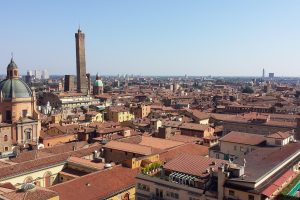
The Super User: ASPECT worked closely with ARPAE (Agenzia Regionale per la Prevenzione, l’Ambiente e l’Energia dell’Emilia-Romagna), a public research agency based in the Emilia-Romagna region, Italy. Two key climate challenges were identified for the region: extreme heat and severe rainfall events. The project performed an exploratory study and provided advanced climate information to help the region respond to these adaptation priorities.
- Synthesis reports, datasets, forecast maps and figures, skill maps and probability charts
Case Study 4 - Emergency Response
Background: Emergency response refers to immediate action to support those affected by crises or disasters, such as providing assistance during extreme weather events. With the growing occurrence of such events, climate information is crucial in helping emergency responders prepare, adapt and build resilience to the impacts of extreme events. Understanding hazard combined with vulnerability and exposure is particularly important in order to prioritise vulnerable populations and allocate resources effectively during emergencies.
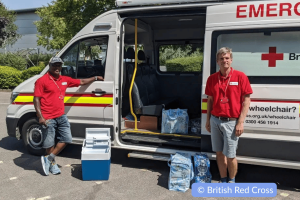
The Super User: In ASPECT, we worked with the British Red Cross, a humanitarian organisation that supports people in crises. The case study focused on heat-related emergency response, and related climate information products were co-produced. Targeted training and educational resources were offered to support climate-informed decision-making in the organisation.
Emergency responders and operational managers training module
- Educational website
Case Study 5 - Humanitarian Sector
Background: Extreme weather events like droughts and floods increase the need for humanitarian action, as they can affect the livelihoods of already vulnerable regions, increase food insecurity, and worsen health and nutrition conditions. In particular, children’s health and development can be affected, especially in regions already facing significant poverty and food insecurity. Climate information can support preparedness and anticipatory action, reducing vulnerability and building resilience against future climate risks.
The Super User: ASPECT collaborated with Save the Children International, an international non-governmental organisation that works to improve the lives of children. Tailored climate information for Malawi was developed, aiming to improve understanding of drought impacts on livelihoods and better-inform anticipatory action to reduce the population’s vulnerability to food insecurity.
- Climate bulletin with forecasts for El Niño-Southern Oscillation (ENSO), correlated with local climate conditions in Malawi
- Interactive web-app (not openly available)